


Endometriosis and Fertility: What You Need to Know About Egg Freezing and Future Fertility
Endometriosis is a condition where cells similar to those lining the uterus (womb) are found in other areas in the body, commonly the pelvis and ovaries. Endometriosis can cause pain, inflammation and scar tissue, which may impact fertility. In the UK, endometriosis affects 1 in 10 women and those assigned female at birth, yet many people living with the condition still have unanswered questions about the impact of endometriosis on their fertility. For some, concerns about future fertility lead them to explore fertility preservation options such as egg freezing. For others, they simply want to understand their reproductive health more clearly.
During Endometriosis Awareness Month, we’re sharing insights from our own patient data and the latest research to help explain the relationship between endometriosis and fertility, and when fertility preservation may be considered.
How common is egg freezing in patients with endometriosis?
At London Women’s Clinic, around 6% of patients freezing their eggs in 2025 had a diagnosis of endometriosis.
Endometriosis can affect fertility in different ways depending on the severity and location of the disease. Because of this variability, the reasons patients choose to freeze their eggs can differ significantly.
Of the patients with endometriosis who froze their eggs at our clinics:
- 40% were advised to consider egg freezing by their endometriosis specialist as a form of fertility preservation
- 60% chose to freeze their eggs independently, often due to a combination of personal and medical considerations
These decisions are often influenced by factors such as age, ovarian reserve, future family plans, relationship status, and the potential that the condition may worsen over time.
Can you get pregnant with endometriosis?
Many people ask: can you get pregnant with endometriosis?
The answer is yes. Many people with endometriosis conceive naturally and go on to have healthy pregnancies. However, the condition can affect fertility, particularly if endometriosis involves the ovaries, fallopian tubes or causes significant scarring and distortion of the pelvic anatomy.
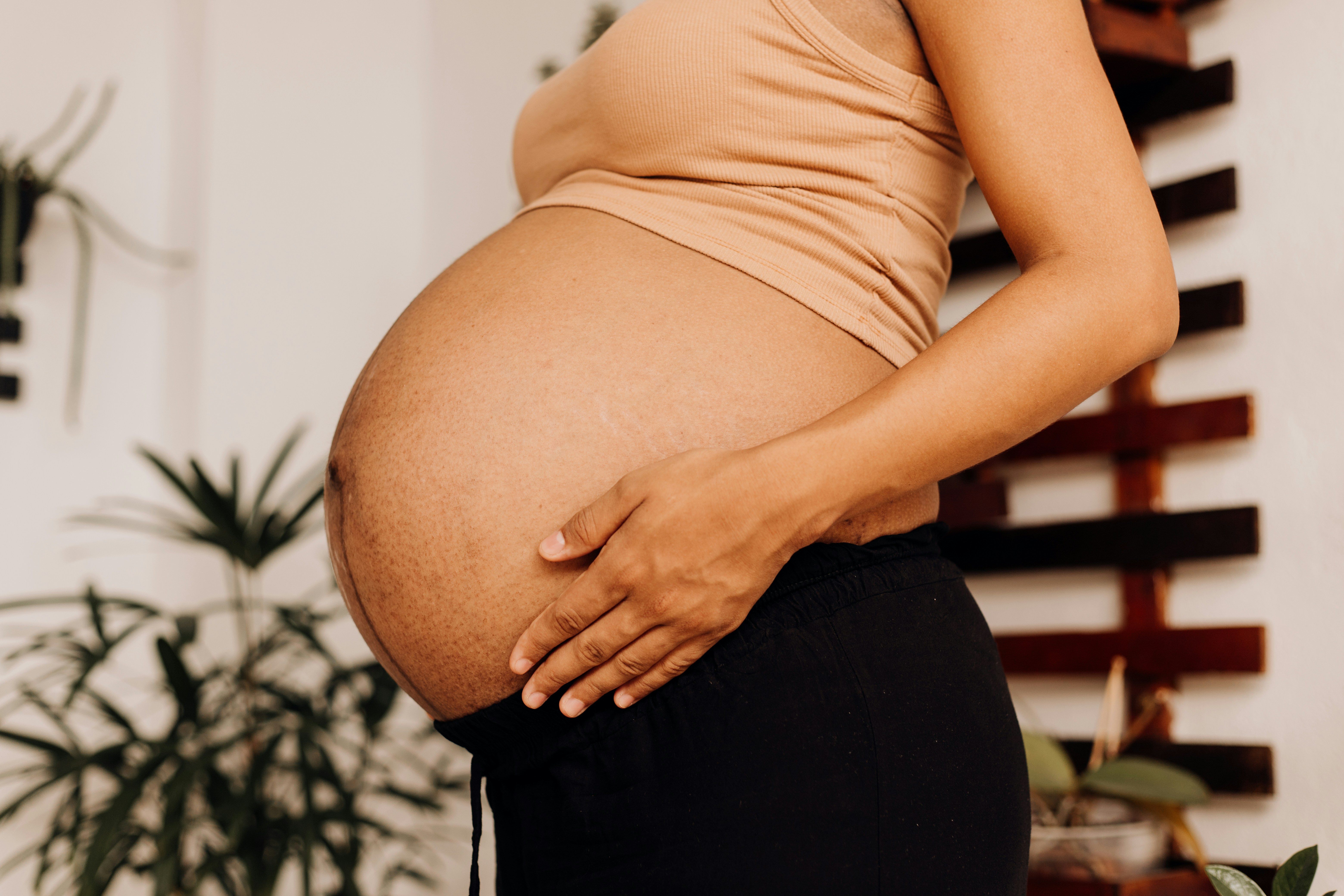
Endometriosis can contribute to fertility challenges in several ways, including:
- Inflammation within the pelvis
- Damage or distortion of the fallopian tubes
- Changes to the pelvic, ovarian and endometrial environment
- Reduced ovarian reserve and ovarian damage
- Pain symptoms, including during sex, which may affect sexual activity and intimacy
This doesn’t mean pregnancy isn’t possible. Rather, it means that understanding your fertility earlier can help guide future decisions.
What are endometriomas and why do they matter for fertility?
Endometriomas are endometriosis cysts that develop in the ovaries and are sometimes referred to as “chocolate cysts”.
At London Women’s Clinic, 38% of endometriosis patients freezing eggs had confirmed endometriomas in their ovaries.
Research suggests that endometriomas may influence fertility because they can:
- Increase oxidative stress within the ovary, potentially affecting egg quality
- Be associated with lower AMH levels (a marker of ovarian reserve)
- Be linked to lower antral follicle counts (AFC)
However, it’s important to note that endometriosis affects individuals differently, and the severity of symptoms and impact on fertility does do not always correlate with the extent of the disease. While some patients maintain normal fertility, others may experience significant reproductive challenges.
Can surgery for endometriosis affect fertility?
Surgery is sometimes recommended to treat endometriosis, particularly when endometriomas are present or symptoms are severe. However, because these procedures often involve operating on the ovaries and pelvic ovaries, specialists carefully weigh the potential impact on fertility.
A recent study published in Reproductive BioMedicine Online examining fertility preservation in endometriosis found that:
- Patients with endometriomas often collect fewer eggs during egg freezing cycles compared with infertile patients without endometriosis
- Patients who had previous surgery to treat endometriomas tended to retrieve fewer eggs on average than those who had not had surgery to treat their endometriomas
This does not mean surgery should be avoided. In many cases it can be essential for symptom relief and overall health. But it highlights why fertility discussions should be a routine part of endometriosis care.
When is egg freezing recommended for endometriosis?
There are currently no universal guidelines in the UK specifying exactly when egg freezing should be recommended for people with endometriosis.
However, fertility preservation may be discussed when:
- Endometriomas are present on the ovaries
- The disease is severe or deep infiltrating
- There is damage to the fallopian tubes
- Surgery on the ovaries may be required
- A patient’s ovarian reserve is low
Ultimately, decisions around egg freezing for fertility preservation in those with endometriosis need to be tailored to each individual, considering factors such as age, relationship status, ovarian reserve, severity of disease and surgical plans. A multidisciplinary approach involving both endometriosis specialists and fertility specialists is the most effective way to support patients in making decision that are individualised according to their personal circumstances, treatment plan and fertility goals.
Egg freezing with endometriosis: a personal decision
While some people freeze their eggs following medical advice, others choose to do so for a range of personal reasons alongside their diagnosis.
For many patients, the decision is shaped by:
- Age and ovarian reserve
- Relationship status
- Career or life circumstances
- Concerns about disease progression
- The desire to have additional options for future fertility
For some, egg freezing offers peace of mind and greater reproductive choice, even if they may never need to use their frozen eggs in the future.
Understanding your fertility with endometriosis
Endometriosis is a complex and highly variable condition. The severity of disease and symptoms does not necessarily predict the impact on fertility. Some individuals with severe symptoms or more advanced disease may have no fertility issues, while others with mild disease or few symptoms may experience difficulties conceiving.
If you have been diagnosed with endometriosis and are thinking about your future fertility, the most helpful first step is often a fertility assessment. This typically includes tests such as:
- AMH testing to assess ovarian reserve
- Ultrasound scans to examine ovarian follicles, pelvic anatomy and identify endometriomas
- Discussion of your personal and medical history and your fertility goals
With this information, fertility specialists can help you understand your options and decide whether fertility preservation, IVF, or natural conception planning is the right path for you.
Living with endometriosis often means navigating uncertainty. But understanding how the condition may affect fertility can empower you to make informed choices about the future.
For some, getting pregnant with endometriosis happens naturally. For others, exploring options like egg freezing or fertility treatment can offer additional options.
At London Women’s Clinic, our goal is to provide clear, evidence-based guidance and compassionate care, so you can make the decisions that feel right for you.
References:
Fertility preservation in endometriosis: evaluating surgical risks and emerging preservation approaches. Reproductive BioMedicine Online (2026)


Comments